
Guide
How Beaumont's Older Housing and Mild Climate Hit Garage Door Openers
Beaumont homeowners: see how 1960s-70s housing stock and a mild climate with occasional freezes affect garage door openers during power cuts and outages.
Local detail
Season by Season
Beaumont doesn't get the four sharp seasons you'd get further north, but the opener on your garage still feels every one of them. Most of the year runs warm and humid, and that moisture works into the logic board and the wireless receiver over time, especially in garages that aren't insulated or vented. Then a handful of nights a year the temperature drops enough for a hard freeze, and that swing - humid heat to a sudden cold snap - is harder on electronics than steady cold ever is. Circuit boards expand and contract, contacts corrode a little faster, and the safety sensors at the bottom of the track can fog up and throw false readings on the first cold morning.
None of this shows up as a dramatic failure. It shows up as an opener that used to work fine and now hesitates, reverses for no reason, or just won't respond to the remote until you've tried it three times. If your opener's more than a decade old, this is usually where trouble starts.

The area
What the Weather Here Does to It
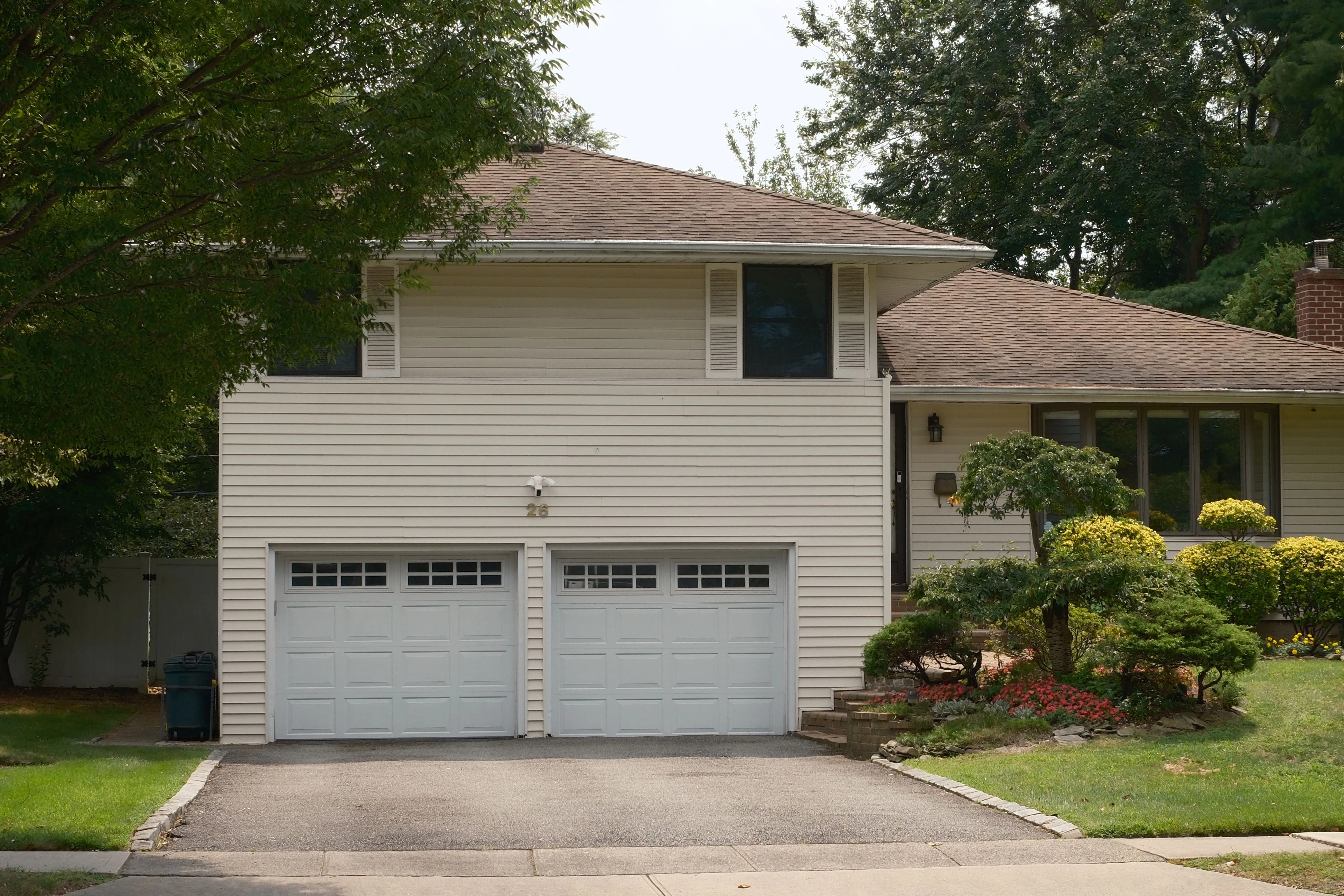
A lot of Beaumont's garages sit in homes built between 1966 and 1998, with the middle of that range - 1978 - describing most of what's actually on the ground. Openers installed in houses from that era were wired directly into a switched circuit, often without a dedicated outlet, and almost never with any kind of battery backup. That matters here specifically because outages tend to come with weather, not without it - and a power cut during a storm is exactly when you need the door to open.
Without backup, the motor just sits dead and the only way in or out is the manual release cord, which a surprising number of owners have never located, let alone tested. Newer openers built after battery backup became standard handle a cut without drama. The older units common in this area's housing stock don't, and swapping in backup power after the fact is possible but means opening up wiring that's 40-plus years old, which isn't always a five-minute job.
What we find
The Problem
Across the areas we work in - the Oaks Historic District close in, out through Rose City, Vidor, and Central Gardens, and further out toward Nederland, Lumberton, and Silsbee - most garages still carry openers from that same 1960s-70s wave of construction, or replacements bought decades later that copied the same setup: no backup, minimal surge protection, and a receiver that's aged past its reliable range. With 36,981 owner-occupied houses across this service area, that's a lot of garages running on old assumptions. The real problem isn't that these openers are broken.
Most of them work fine on a normal day. The problem is they were never built to fail gracefully - when the power drops, they just stop, and the household finds out the manual release exists the hard way, usually at the worst possible time, like right before you need to get the car out.
How we work
Where People Go Wrong
The most common mistake is assuming a power cut is rare enough not to plan for. It isn't rare here - it's routine enough that a household should know, before it happens, where the manual release is and how it works. The second mistake is treating a sluggish or unresponsive opener as normal wear rather than a sign the board or sensors are already struggling with the humidity swings this climate brings.
At a median household income of $71,837, a lot of owners here choose to add a battery backup unit onto an existing opener rather than replace the whole thing, and that's often the right call - it's cheaper and it solves the actual problem, which is losing access, not losing the opener itself. Where it goes wrong is waiting until a storm is already knocking out power to make that decision. One honest limitation: we don't rewire a home's electrical panel to add a dedicated circuit - that's electrician's work, and if your garage doesn't have one, plan for that conversation separately.
Questions
Common questions
Does my garage door opener have battery backup already?
Not if it was installed before backup became a standard feature - and given how much of Beaumont's housing dates to the 1966-1998 range, a lot of openers here predate that. Check for a small battery compartment on the opener housing. If it's not there, you're running without backup, which matters most during a power cut.
What do I do if the power goes out and I need the door open?
Pull the manual release cord, usually a red handle hanging near the opener rail. It disconnects the carriage from the motor so you can lift the door by hand. Every household should locate and test this once, before it's needed during an actual outage.
Why does my opener act up after a cold night?
Beaumont's climate is mild most of the year with occasional freezes, and that swing from humid warmth to a sudden cold snap causes condensation on sensors and circuit boards. It usually clears once things warm back up, but repeated cycles wear the board down faster than steady weather would.
Is it worth replacing an old opener instead of adding backup?
Depends on the unit's age and condition. If it's otherwise running fine, adding a battery backup module is usually the cheaper fix for the power-cut problem. If the board's already failing on its own, replacement makes more sense - we can tell you which situation you're in on a look.
Ready when you are
Need a garage door sorted in Beaumont?
Beaumont Garage Door Pros repairs and installs garage doors, springs and openers in Beaumont, TX and the surrounding area.